Embracing Nature: Creating a Butterfly-Friendly Garden
Embracing Nature: Creating a Butterfly-Friendly Garden
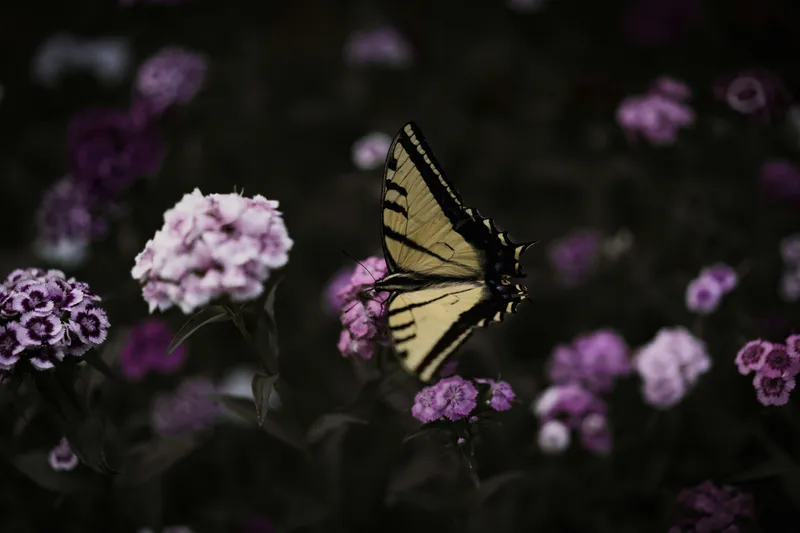
Creating a butterfly garden is not just a delightful way to beautify your outdoor space; it also plays a vital role in supporting local ecosystems. By incorporating native plants and designing a pollinator friendly environment, you can attract a wide variety of butterflies and other beneficial insects. Here’s how to design a butterfly garden that will flourish with vibrant vegetation and stunning flowering plants.
Why Choose Native Plants?
Native plants are essential for a successful butterfly garden because they are well-adapted to your local climate and soil conditions. They provide the necessary food and habitat for butterflies at various life stages. For example, many butterflies lay their eggs on specific plants, ensuring that their caterpillars have the right food source once they hatch.
Recommended Native Plants:
- Milkweed : Essential for monarch butterflies, providing both nectar and a host plant for larvae.
- Coneflower : A popular nectar source that attracts various butterfly species.
- Black-eyed Susan : Bright yellow flowers that are irresistible to pollinators.
Garden Design Tips
When it comes to garden design , consider the following elements to create a welcoming environment for butterflies:
1. Sunlight
Butterflies are cold-blooded and love basking in the sun. Choose a spot in your garden that gets plenty of sunlight throughout the day.
2. Water Sources
Incorporate shallow water sources, like birdbaths or small ponds, with stones for butterflies to perch on. This will ensure they have access to hydration.
3. Shelter
Provide areas of shelter using shrubs or taller plants where butterflies can hide from predators and unfavorable weather conditions.
4. Diversity of Plants
Incorporate a variety of flowering plants that bloom at different times to ensure a continuous food supply. This will attract butterflies throughout the growing season.
Creating a Pollinator Friendly Environment
In addition to butterfly gardens , consider creating a broader pollinator friendly environment. Planting a mix of flowering plants can attract not only butterflies but also bees, hummingbirds, and other beneficial insects. Here’s how:
- Avoid Pesticides : Harmful chemicals can deter butterflies and other pollinators. Opt for organic gardening methods to protect these vital species.
- Companion Planting : Group plants that attract different types of pollinators together. This can increase the chances of attracting butterflies and beneficial insects.
Conclusion
By embracing nature and transforming your garden into a butterfly garden , you can create an enchanting space while supporting local biodiversity. Remember to prioritize native plants and design a pollinator friendly environment to encourage these beautiful creatures to visit. With the right vegetation and thoughtful garden design , your outdoor space will not only flourish but also become a haven for butterflies and other pollinators. ! Start your journey today and watch as your garden becomes a vibrant ecosystem filled with life and color!
Related articles
The Beauty of Anemones: Growing and Caring for Purple-Petaled Flowers
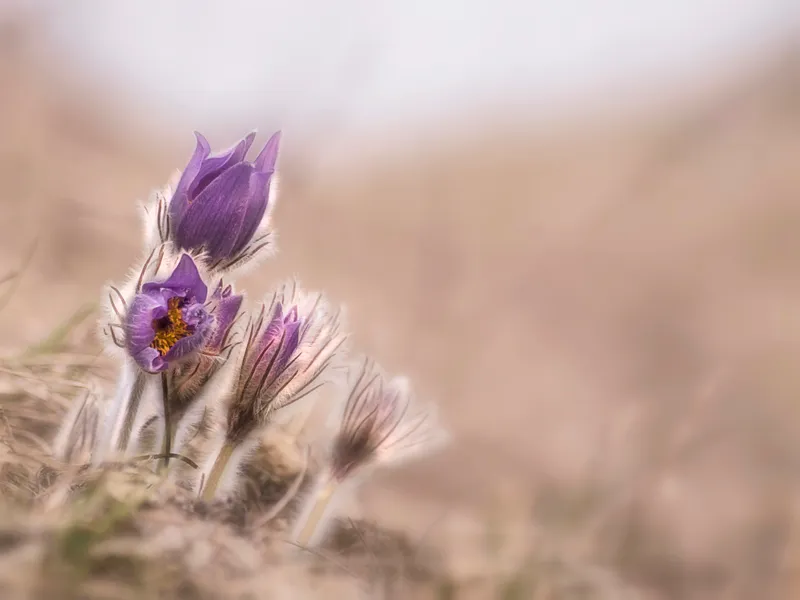
When it comes to gardening , few flowers can match the enchanting allure of the anemone , especially the stunning purple-petaled flowers. Known for their vibrant colors and delicate petals, anemones are a favorite among gardening enthusiasts and can bring a touch of elegance to any outdoor space. In this article, we will explore the beauty of anemones, along with essential care tips to help you cultivate these flowering plants in your garden.
Creating a Pollinator-Friendly Garden: Attracting Hummingbirds and Bees
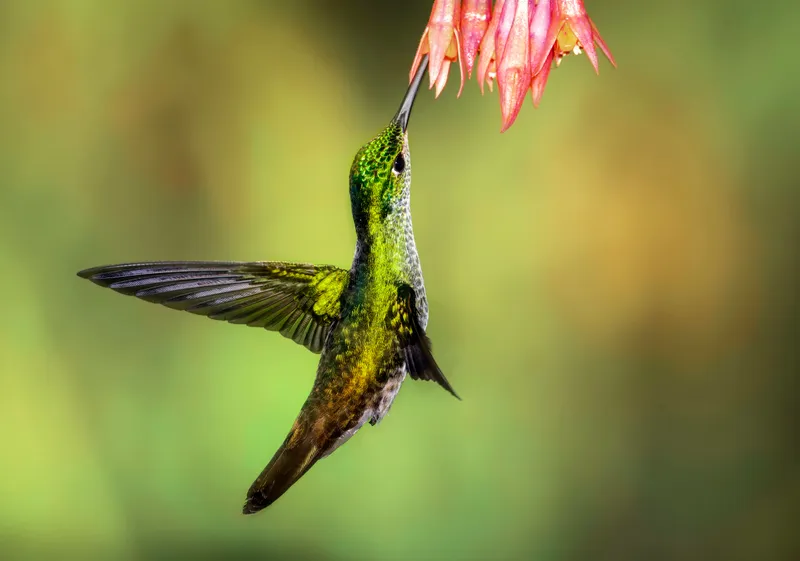
In the world of gardening, few things are as rewarding as watching your plants thrive, especially when they are buzzing with activity from various pollinators. Creating a pollinator garden not only enhances the beauty of your outdoor space but also plays a crucial role in supporting local ecosystems. In this article, we will explore effective strategies for attracting hummingbirds and bees to your garden by utilizing native plants and eco-friendly gardening practices.
Creating a Wildlife-Friendly Garden: Attracting Local Fauna
Creating a wildlife garden is not only an enjoyable endeavor but also a crucial aspect of promoting biodiversity in our environment. By incorporating native plants and employing sustainable gardening practices, you can transform your outdoor space into a haven for various species of wildlife, from birds and butterflies to beneficial insects and small mammals.
Explore these topics
- garden-design(55)
- vegetation(30)
- native-plants(3)