Creating a Pollinator-Friendly Garden: Attracting Hummingbirds and Bees
Creating a Pollinator-Friendly Garden : Attracting Hummingbirds and Bees
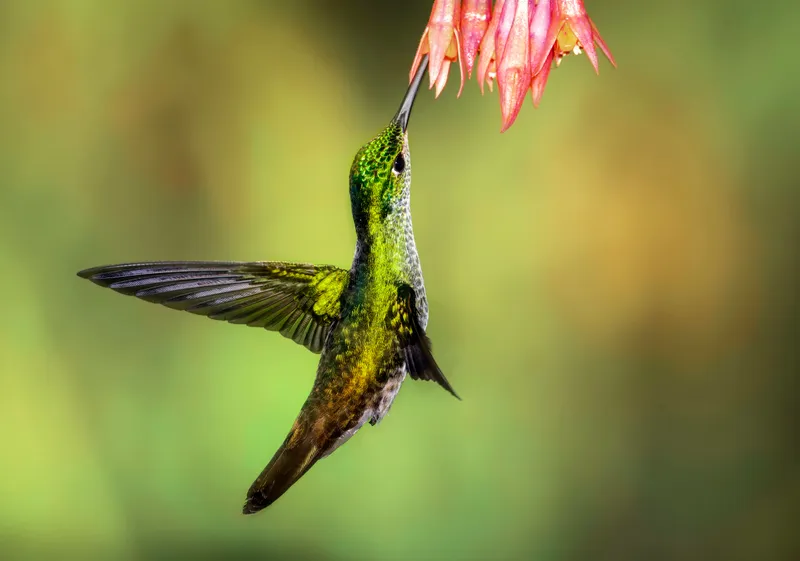
In the world of gardening, few things are as rewarding as watching your plants thrive, especially when they are buzzing with activity from various pollinators. Creating a pollinator garden not only enhances the beauty of your outdoor space but also plays a crucial role in supporting local ecosystems. In this article, we will explore effective strategies for attracting hummingbirds and bees to your garden by utilizing native plants and eco-friendly gardening practices.
Why Choose a Pollinator Garden?
A pollinator garden serves as a sanctuary for essential pollinators such as bees, butterflies, and hummingbirds, which contribute significantly to the pollination of flowers and crops. By planting a diverse range of flowers, you can enjoy vibrant blooms while supporting these important species. Additionally, a pollinator garden promotes a healthier environment and encourages biodiversity.
Selecting Native Plants
When planning your pollinator garden , consider incorporating native plants that are well-adapted to your local climate and soil conditions. Native plants provide the best food sources for hummingbirds and bees since they have evolved alongside these pollinators. Some excellent choices include:
- Bee Balm (Monarda) : This fragrant plant attracts both bees and hummingbirds with its bright red and pink blooms.
- Coneflower (Echinacea) : A hardy perennial that produces large, daisy-like flowers, perfect for attracting a variety of pollinators.
- Milkweed (Asclepias) : Essential for monarch butterflies, milkweed is also frequented by various bees and hummingbirds.
- Black-eyed Susan (Rudbeckia) : With its striking yellow petals, this flower is a favorite among many pollinators.
Creating a Welcoming Habitat
To maximize the appeal of your pollinator garden , focus on creating a welcoming habitat. Here are some tips:
- Diverse Planting : Plant a variety of flowers that bloom at different times throughout the growing season to ensure food sources are available from spring through fall.
- Layering and Grouping : Group plants in clusters rather than scattering them throughout your garden. This makes it easier for pollinators to locate their food sources.
- Water Sources : Provide shallow water sources, such as birdbaths or small ponds, to keep your pollinators hydrated.
- Avoid Pesticides : Embrace eco-friendly gardening practices by avoiding harmful pesticides, which can harm pollinators. Use natural methods for pest control, such as introducing beneficial insects.
Attracting Hummingbirds
To specifically attract hummingbirds , consider the following:
- Bright Colors : Hummingbirds are attracted to bright colors, especially red, orange, and pink. Incorporate plants like trumpet vine and salvia.
- Nectar Feeders : Install nectar feeders filled with a sugar-water solution (1 part sugar to 4 parts water). Clean them regularly to prevent mold.
- Shelter and Nesting : Provide shelter with dense shrubs or small trees where hummingbirds can hide from predators and build nests.
Conclusion
Creating a pollinator garden is a fulfilling endeavor that benefits both the gardener and the ecosystem. By carefully selecting native plants , providing a welcoming habitat, and incorporating eco-friendly gardening practices, you can attract hummingbirds and bees while enjoying the beauty of nature right in your backyard. With a little patience and planning, your garden will become a vibrant hub of life, buzzing with activity and color. ! Start your pollinator garden today and make a positive impact on your environment while enjoying the delightful presence of these fascinating creatures!
Related articles
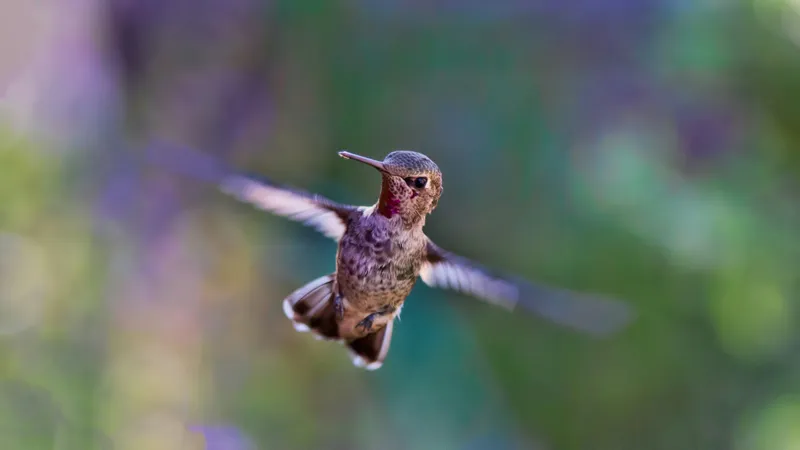
The Beauty of Hummingbirds: Attracting These Flying Jewels to Your Garden
Hummingbirds, often referred to as flying jewels , are a delightful addition to any garden. Their iridescent feathers and rapid wing beats not only captivate our eyes but also play a vital role in promoting biodiversity. In this article, we will explore the enchanting world of these tiny birds and provide tips on attracting wildlife to your outdoor space.
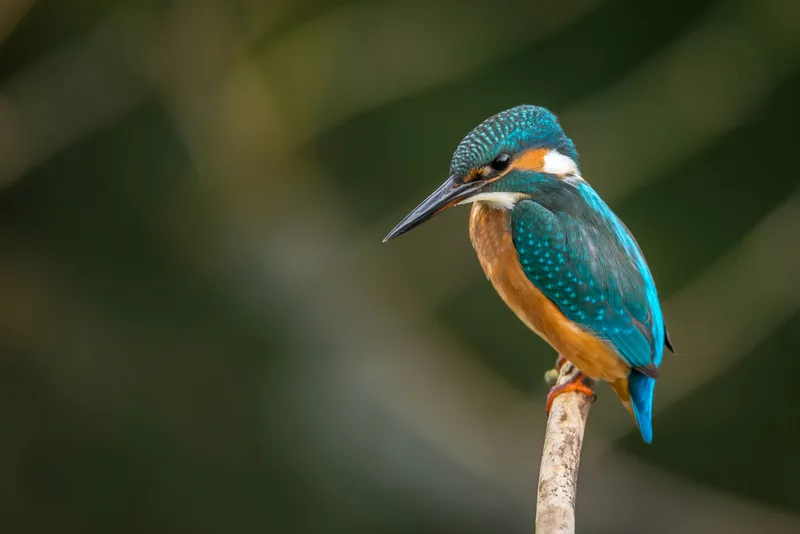
The Beauty of Hummingbirds: Attracting Nature to Your Garden
Hummingbirds are one of nature's most mesmerizing creatures, known for their vibrant colors , incredible agility, and unique birdwatching appeal. Attracting these beautiful birds to your garden not only enhances the aesthetic of your garden decor but also invites a vibrant ecosystem into your outdoor space. In this article, we will explore how to create a welcoming environment for hummingbirds and enjoy the wonders of wildlife right in your backyard.
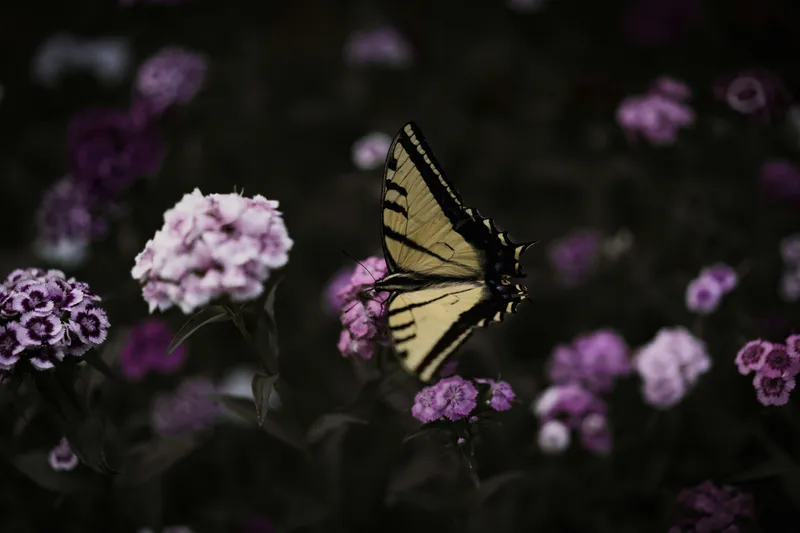
Embracing Nature: Creating a Butterfly-Friendly Garden
Creating a butterfly garden is not just a delightful way to beautify your outdoor space; it also plays a vital role in supporting local ecosystems. By incorporating native plants and designing a pollinator friendly environment, you can attract a wide variety of butterflies and other beneficial insects. Here’s how to design a butterfly garden that will flourish with vibrant vegetation and stunning flowering plants.