Creating a Wildlife-Friendly Garden: Attracting Local Fauna
Creating a Wildlife-Friendly Garden: Attracting Local Fauna
Creating a wildlife garden is not only an enjoyable endeavor but also a crucial aspect of promoting biodiversity in our environment. By incorporating native plants and employing sustainable gardening practices, you can transform your outdoor space into a haven for various species of wildlife, from birds and butterflies to beneficial insects and small mammals.
Understanding Wildlife Gardens
A wildlife garden is designed to attract and support local fauna. The primary goal is to create an ecosystem that encourages wildlife to thrive, while also providing you with a beautiful and serene environment to enjoy. Here are some essential tips for creating your own wildlife-friendly oasis:
1. Choose Native Plants
Opting for native plants is one of the best ways to attract wildlife to your garden. These plants are adapted to the local climate and soil conditions, making them easier to maintain and more resilient. They also provide essential food and habitat for local fauna. For example, milkweed is crucial for monarch butterflies, while black-eyed Susans attract a variety of pollinators. By planting a diverse selection of native flora, you can create an inviting space that supports various species.
2. Provide Water Sources
Water is a vital resource for wildlife. Incorporating features such as birdbaths, ponds, or even small pools can greatly enhance your garden's appeal to local fauna. Ensure that these water sources are clean and accessible. Adding rocks or shallow areas can help smaller animals drink safely. Remember, wildlife need water not only for drinking but also for bathing and breeding.
3. Create Shelter and Nesting Spaces
Wildlife needs safe places to hide and nest. You can create shelter by leaving some areas of your garden wild, allowing grasses and shrubs to grow. Consider adding birdhouses, bat boxes, and insect hotels to provide safe nesting options. Dense shrubs and brush piles can also serve as protective shelters for small mammals and ground-nesting birds.
4. Use Eco-Friendly Decor
Incorporating eco-friendly decor into your wildlife garden can enhance its beauty while also supporting local wildlife. For instance, using natural materials for pathways, such as wood chips or stones, can blend seamlessly with the landscape. Consider adding decorative items made from recycled materials that provide habitats, like trellises for climbing plants or sculptures that double as bird feeders.
5. Avoid Chemicals
To maintain a truly sustainable gardening approach, it's crucial to avoid pesticides and chemical fertilizers, as these can harm the very wildlife you are trying to attract. Instead, focus on organic gardening methods such as composting, crop rotation, and companion planting. These practices not only benefit the environment but also enhance the health of your plants.
6. Create a Balanced Ecosystem
A well-balanced ecosystem is essential for attracting wildlife. This means allowing nature to take its course. Encourage beneficial insects by planting a variety of flowers that bloom at different times throughout the year. These insects help pollinate plants and keep pest populations in check, creating a natural balance.
Conclusion
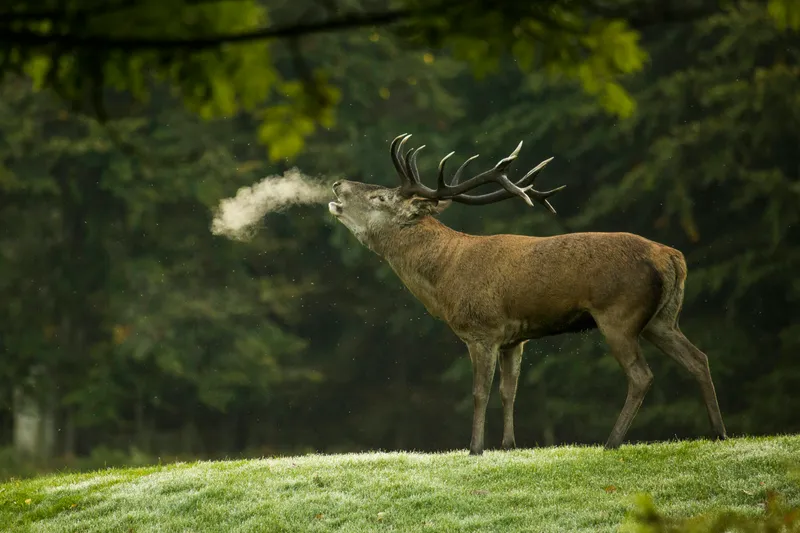
Creating a wildlife garden is a rewarding project that can lead to a greater appreciation of nature and its wonders. By choosing native plants , providing water sources, creating shelters, and maintaining a chemical-free environment, you will not only attract local fauna but also contribute positively to the ecosystem. Embrace the beauty of sustainable gardening and watch as your garden transforms into a vibrant and lively habitat. Photo Description: Closeup photography of reindeer during daytime.
Related articles
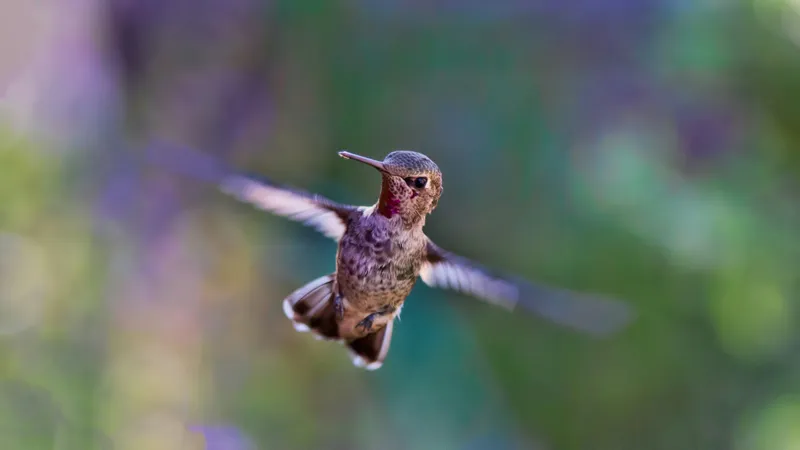
The Beauty of Hummingbirds: Attracting These Flying Jewels to Your Garden
Hummingbirds, often referred to as flying jewels , are a delightful addition to any garden. Their iridescent feathers and rapid wing beats not only captivate our eyes but also play a vital role in promoting biodiversity. In this article, we will explore the enchanting world of these tiny birds and provide tips on attracting wildlife to your outdoor space.
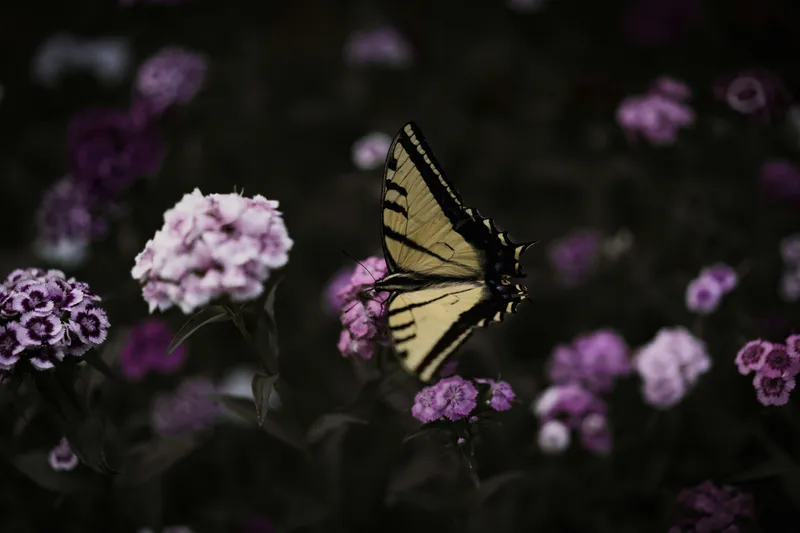
Embracing Nature: Creating a Butterfly-Friendly Garden
Creating a butterfly garden is not just a delightful way to beautify your outdoor space; it also plays a vital role in supporting local ecosystems. By incorporating native plants and designing a pollinator friendly environment, you can attract a wide variety of butterflies and other beneficial insects. Here’s how to design a butterfly garden that will flourish with vibrant vegetation and stunning flowering plants.
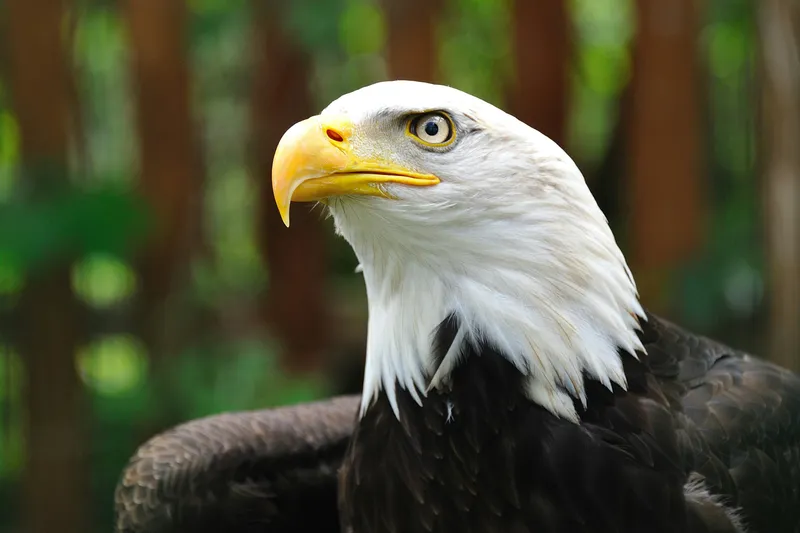
Incorporating Wildlife into Your Garden: The Beauty of the Bald Eagle
Creating a wildlife garden is not just about planting flowers and shrubs; it’s about creating a sanctuary for all kinds of creatures. One of the most majestic birds you can attract to your garden is the bald eagle. These magnificent birds symbolize strength and freedom, and their presence can elevate your outdoor space into a breathtaking nature decor experience.