The Beauty of Wildflowers: Creating a Nature-Inspired Garden
The Beauty of Wildflowers: Creating a Nature-Inspired Garden
When it comes to garden design , few things can rival the charm and vibrancy of wildflowers. These natural beauties not only add color to your landscape but also invite a plethora of pollinators into your space, enhancing the ecological balance of your garden. In this article, we will explore the advantages of incorporating wildflowers into your outdoor gardening projects and how they can inspire a beautiful and sustainable approach to nature decor.
Why Choose Wildflowers?
Wildflowers are unique in that they require minimal maintenance and are often resilient to local environmental conditions. Whether you are cultivating a small backyard or a sprawling landscape, these flowers can thrive almost anywhere. They come in various colors, but the striking purple flowers , such as bluebells and lupines, are particularly stunning when grouped together.
Benefits of Wildflowers:
- Biodiversity : By planting wildflowers, you support local bee populations, butterflies, and other wildlife. This promotes a healthy ecosystem right in your backyard.
- Low Maintenance : Once established, wildflowers require less water and attention than traditional garden plants, making them ideal for busy gardeners or those new to outdoor gardening.
- Seasonal Beauty : Wildflowers bloom at different times throughout the growing season, ensuring your garden remains colorful and lively from spring through fall.
Designing Your Wildflower Garden
Creating a nature-inspired garden filled with wildflowers doesn’t have to be complicated. Here’s a simple guide to get you started:
1. Site Selection
Choose an area that receives plenty of sunlight and is well-drained. Wildflowers thrive in these conditions, and a sunny spot will help them bloom beautifully.
2. Soil Preparation
Before planting, prepare your soil by removing any weeds and debris. Wildflowers prefer a more natural soil composition, so avoid adding too many fertilizers or amendments. This encourages the growth of native species more suited to your local conditions.
3. Selecting YourWildflowers
Choose a variety of wildflowers that bloom at different times and have various heights. Mixing purple flowers with yellows and whites can create a stunning visual effect. Some popular options include:
- Lupines : Tall and striking, these purple flowers are perfect for the back of your garden.
- Black-eyed Susans : With their bright yellow petals, they complement purple blooms beautifully.
- California Poppies : These cheerful orange flowers add a vibrant touch to the mix.
4. Planting
Sow your seeds according to the package instructions, typically in spring or fall. Be mindful of the spacing to allow for growth. Consider creating clusters of the same species for a more natural look.
5. Maintenance
Once planted, water your wildflowers sparingly. After they are established, they will require less frequent watering. Deadheading spent flowers can promote further blooming.
Incorporating Nature Decor
To enhance the beauty of your wildflower garden, consider adding elements of nature decor. Here are some ideas:
- Natural Pathways : Create winding pathways using stones or mulch to guide visitors through your garden.
- Seating Areas : Add a rustic bench or swing to enjoy the view of your blooming wildflowers.
- Wildlife Attractions : Install birdhouses or bee hotels to encourage wildlife to visit your garden.
Final Thoughts
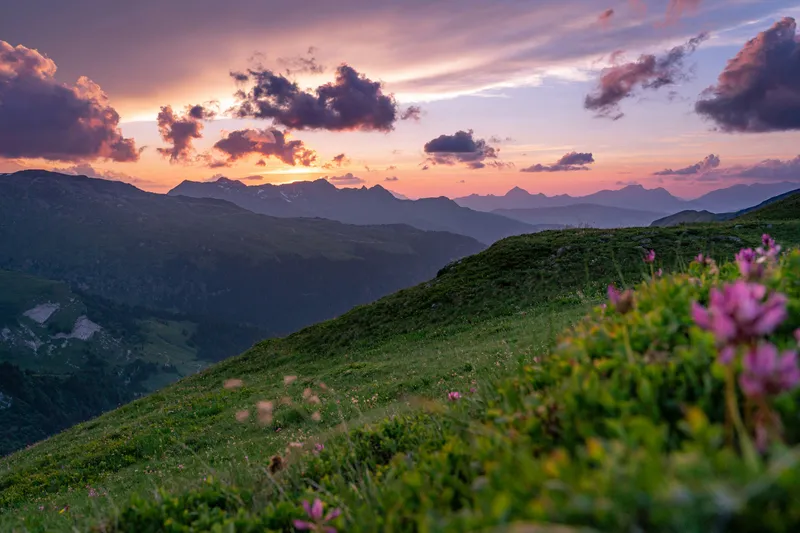
The beauty of wildflowers lies not only in their vibrant colors and delightful scents but also in their ability to create a sustainable and inviting environment. By incorporating these stunning plants into your garden design , you can create a stunning outdoor space that reflects the beauty of nature itself. With the right planning and care, your wildflower garden will flourish, providing joy and tranquility for you and your guests. Imagine waking up to the sun rising over a hillside of purple-petaled flowers , a sight that can transform any ordinary morning into an extraordinary experience. So grab your gardening tools and start cultivating your nature-inspired haven today!
Related articles
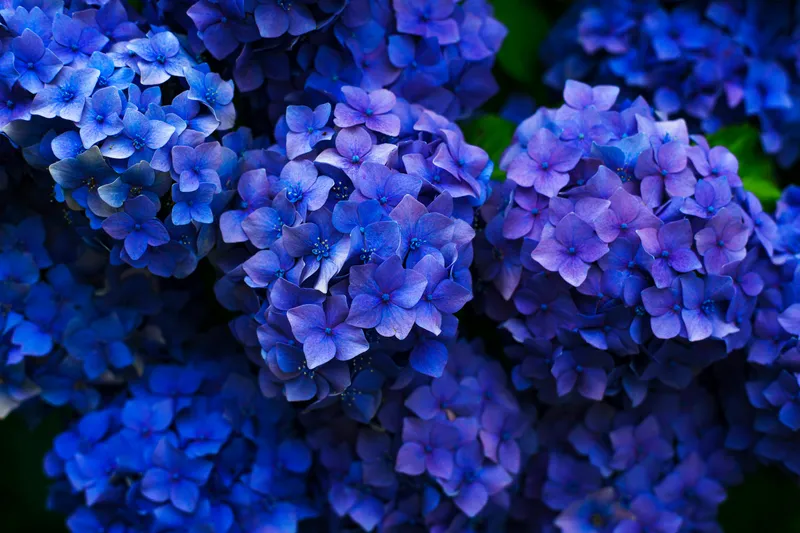
The Beauty of Hydrangeas: A Guide to Growing Deep Blue Blooms
Hydrangeas are a stunning addition to any garden, renowned for their exquisite purple flowers and ability to transform outdoor spaces into serene retreats. Whether you're an experienced gardener or a novice, cultivating these beautiful blooms can enhance your landscaping and bring a touch of nature indoors. In this guide, we’ll explore the secrets to growing deep blue hydrangeas and how they can elevate your nature decor.
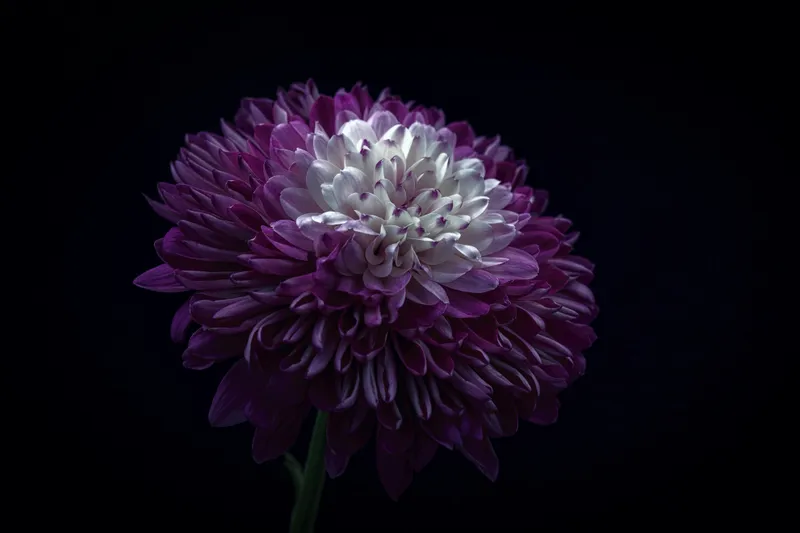
Creating a Garden Oasis with Purple and White Flowers
Transforming your garden into a serene oasis doesn’t require monumental changes; sometimes, it’s all about the colors and textures you choose. In this article, we'll explore how to craft a stunning garden space using purple flowers and white blooms, creating a beautiful contrast that enhances your nature decor. Here’s how to effectively incorporate these colors into your landscaping while ensuring optimal flower care.
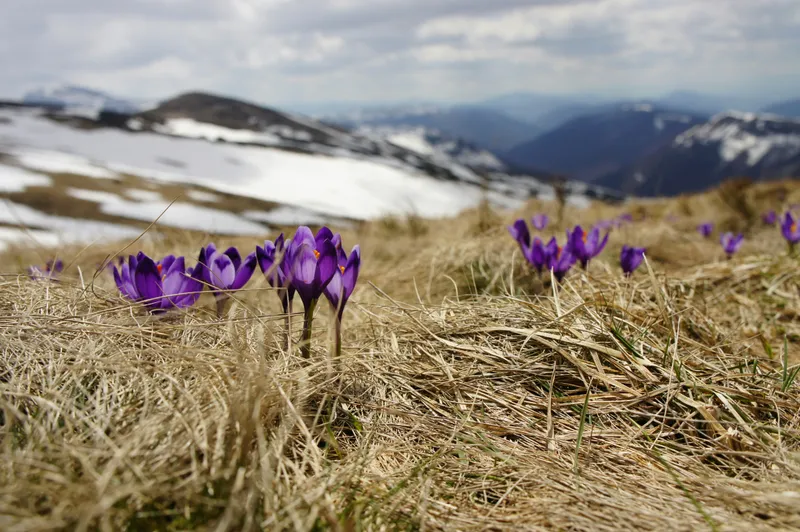
The Beauty of Saffron: Cultivating and Appreciating Nature's Purple Gem
Saffron, often referred to as nature's purple gem , is one of the most coveted spices in the world, not just for its culinary value but also for its stunning purple flowers that can transform any garden into a vibrant paradise. This article delves into the beauty of saffron, from its cultivation to its role in nature decor , as well as tips for incorporating this exquisite plant into your gardening endeavors.
Explore these topics
- nature-decor(225)
- garden-design(55)
- outdoor-gardening(11)
- purple-flowers(5)
- wildflowers(5)