The Beauty of Hydrangeas: A Guide to Growing Deep Blue Blooms
The Beauty of Hydrangeas: A Guide to Growing Deep Blue Blooms
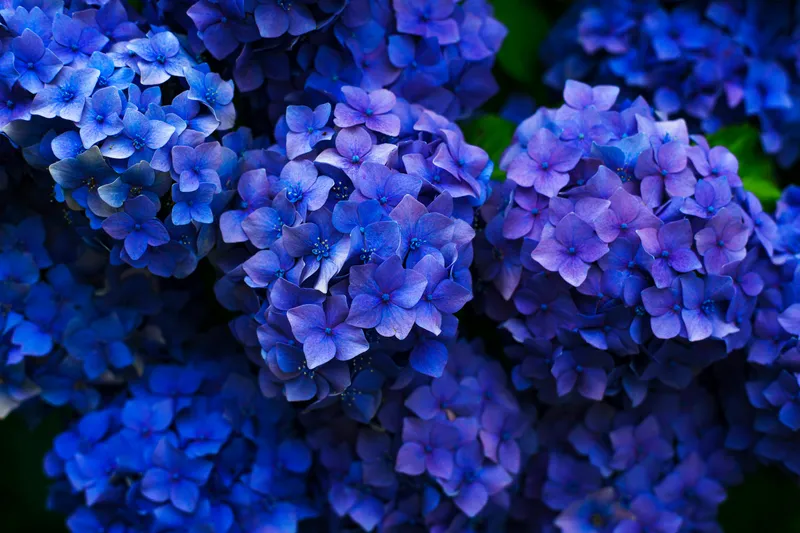
Hydrangeas are a stunning addition to any garden, renowned for their exquisite purple flowers and ability to transform outdoor spaces into serene retreats. Whether you're an experienced gardener or a novice, cultivating these beautiful blooms can enhance your landscaping and bring a touch of nature indoors. In this guide, we’ll explore the secrets to growing deep blue hydrangeas and how they can elevate your nature decor.
Understanding Hydrangeas
Hydrangeas belong to the family Hydrangeaceae and are celebrated for their large, vibrant flower clusters. They come in various colors, but bluehydrangeas are particularly sought after, as they symbolize tranquility and grace. The color of hydrangea blooms is influenced by the pH level of the soil; more acidic soils yield beautiful blue flowers, while alkaline conditions produce shades of pink and purple.
Choosing the Right Variety
There are several varieties of hydrangeas, each offering unique charm:
- Hydrangea macrophylla (Bigleaf) : Known for its large blooms, this variety is perfect for creating a stunning focal point in your garden.
- Hydrangea paniculata (Panicle) : These hydrangeas have a more upright form and are great for landscaping, providing a cascading effect.
- Hydrangea quercifolia (Oakleaf) : With its oak-like leaves, this variety adds texture to your garden while offering beautiful white blooms that transition to pink.
When selecting a variety, consider your garden's climate and the amount of sunlight it receives. Most hydrangeas prefer partial shade, making them ideal for woodland gardens.
Soil Preparation
To grow vibrant bluehydrangeas, start with the right soil. Aim for a well-draining, rich, and slightly acidic mix. You can amend your soil by adding compost and peat moss, which will enhance drainage and acidity. Test the pH level using a soil test kit; ideally, you want a pH between 5.2 and 5.5 for those deep blue hues.
Planting Your Hydrangeas
- Timing : The best time to plant hydrangeas is in the spring or fall when temperatures are mild.
- Spacing : Ensure you space your hydrangeas at least three to ten feet apart, depending on the variety, to allow ample room for growth.
- Depth : Plant them at the same depth they were in their nursery pots, as planting too deep can suffocate the roots.
Care and Maintenance
Hydrangeas are relatively low-maintenance, but they do require some attention:
- Watering : Keep the soil consistently moist, especially during dry spells. Deep watering is essential to encourage deep root growth.
- Pruning : Prune your hydrangeas in late winter or early spring, removing dead or weak stems. This will promote healthy growth and abundant blooms.
- Fertilization : Use a balanced fertilizer in the spring to provide essential nutrients. For blue blooms, consider using fertilizers that are high in potassium.
Creating Nature-Inspired Decor
Once your hydrangeas bloom, they can play a significant role in your nature decor. Here are a few ideas:
- Cut Flowers : Use fresh blooms to create stunning floral arrangements for your home. Their vibrant colors can brighten any room.
- Garden Borders : Plant hydrangeas along pathways or borders to create a beautiful contrast with other plants.
- Outdoor Spaces : Create a cozy nook with hydrangeas as a backdrop, perfect for relaxation or entertaining.
Conclusion
Growing hydrangeas can be a rewarding experience, providing not just beauty but also a sense of connection with nature. Their purple flowers add a touch of elegance to any garden and can inspire creative landscaping ideas. With proper care and attention, you can enjoy the stunning beauty of deep blue hydrangeas for years to come. So grab your gardening tools and get ready to cultivate a masterpiece that reflects the tranquility of the natural world in your very own backyard.
Related articles
Creating a Garden Oasis with Purple and White Flowers
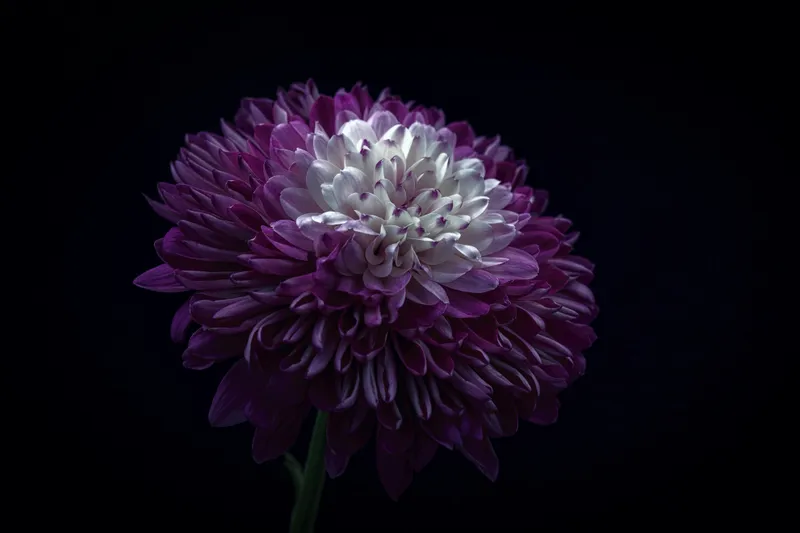
Transforming your garden into a serene oasis doesn’t require monumental changes; sometimes, it’s all about the colors and textures you choose. In this article, we'll explore how to craft a stunning garden space using purple flowers and white blooms, creating a beautiful contrast that enhances your nature decor. Here’s how to effectively incorporate these colors into your landscaping while ensuring optimal flower care.
Creating Stunning Floral Arrangements with Hydrangeas
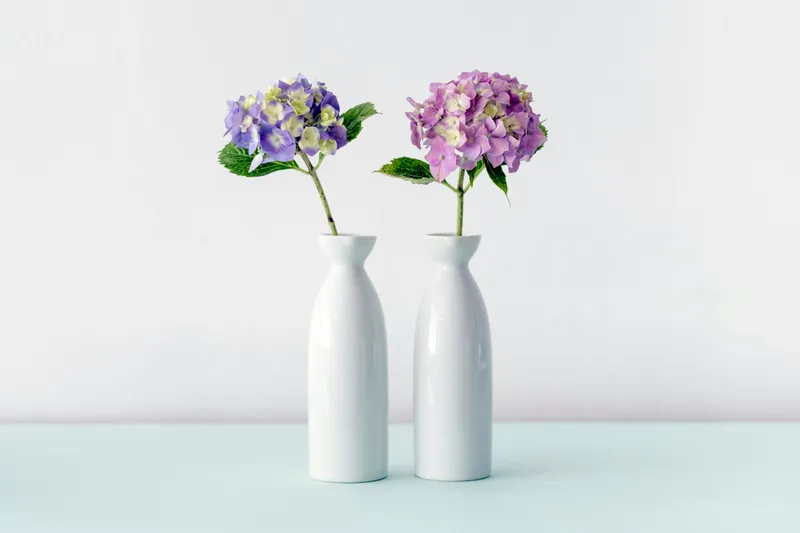
Hydrangeas are among the most beloved flowers in the gardening community, celebrated for their lush blooms and vibrant colors. Whether you're a seasoned gardener or a novice looking to beautify your home, creating stunning floral arrangements with hydrangeas can enhance your nature decor significantly. In this article, we'll explore various techniques and tips for crafting beautiful flower bouquets that highlight the unique beauty of hydrangeas.
The Beauty of Saffron: Cultivating and Appreciating Nature's Purple Gem
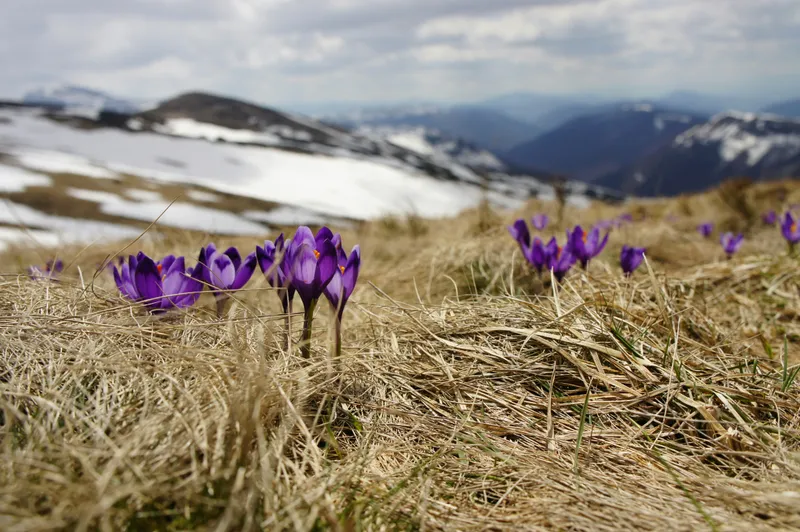
Saffron, often referred to as nature's purple gem , is one of the most coveted spices in the world, not just for its culinary value but also for its stunning purple flowers that can transform any garden into a vibrant paradise. This article delves into the beauty of saffron, from its cultivation to its role in nature decor , as well as tips for incorporating this exquisite plant into your gardening endeavors.
Explore these topics
- gardening(297)
- nature-decor(225)
- landscaping(67)
- purple-flowers(5)