Creating a Wildlife-Friendly Garden: Attracting Red Foxes and More
Creating a Wildlife-Friendly Garden: Attracting Red Foxes and More
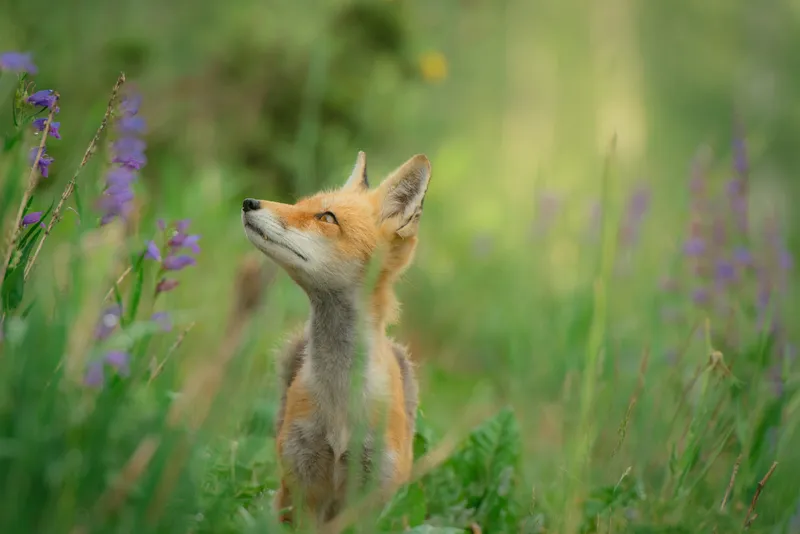
Creating a wildlife-friendly garden is not only a rewarding endeavor but also a crucial aspect of eco-friendly gardening. One of the most charming visitors you can attract to your garden is the elusive red fox. These beautiful creatures play an essential role in maintaining the balance of local ecosystems. In this article, we will explore how to design your garden to welcome red foxes and other wildlife, ensuring your outdoor space is both a sanctuary for nature and a delight for you.
Understanding the Red Fox
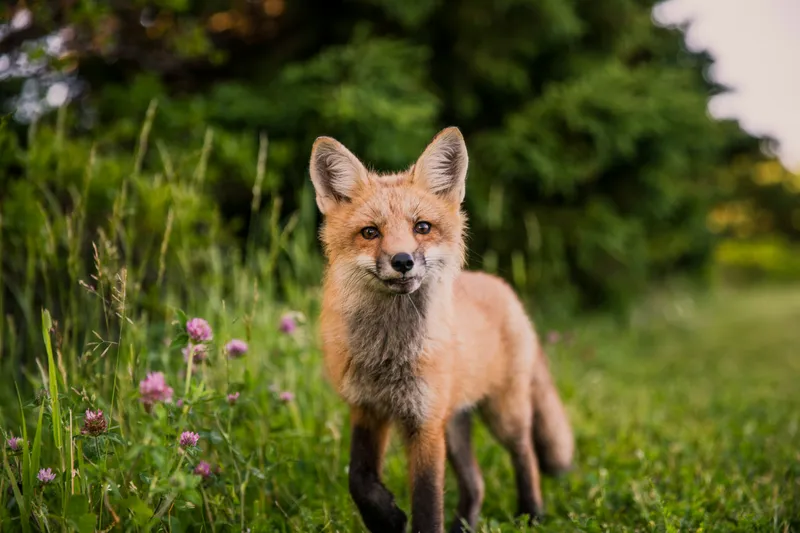
The red fox (Vulpes vulpes) is known for its striking reddish-brown fur, bushy tail, and keen adaptability. Found in various habitats, from forests to urban areas, red foxes are highly resourceful and can thrive in diverse environments. By creating a garden that attracts these magnificent animals, you will be contributing to wildlife conservation efforts while enhancing your garden's natural beauty.
Choosing the Right Plants
When it comes to gardening for wildlife, the selection of plants is crucial. Opt for native species that provide food and shelter for various wildlife, including red foxes. Here are some plant suggestions:
- Fruit-bearing shrubs : Blackberries, raspberries, and elderberries are excellent choices that attract not only foxes but also birds and butterflies.
- Native wildflowers : Planting a variety of wildflowers will attract pollinators and provide seeds for small birds.
- Dense shrubs and trees : Incorporate hedges and trees that can provide cover and nesting opportunities for wildlife.
By creating a diverse planting scheme, you encourage an ecosystem that supports many types of wildlife, making your garden a vibrant, nature-inspired retreat.
Creating Shelter and Denning Sites
Red foxes are opportunistic animals that often seek out places to den. To make your garden a welcoming habitat, consider creating or preserving natural shelter:
- Brush piles : Piling up branches and leaves can create a cozy spot for foxes and other wildlife to hide and rest.
- Rock piles : These can serve as denning sites, especially if they are sheltered by vegetation.
- Nest boxes : Installing nesting boxes for birds and small mammals can enhance your garden's appeal to wildlife.
Water Sources
Gardening for wildlife also means providing essential resources such as water. A small pond, a birdbath, or a simple water dish can attract various species, including red foxes, who may stop by for a drink after exploring your garden. Make sure to keep the water fresh and clean to encourage frequent visits.
Avoiding Harmful Chemicals
To maintain an eco-friendly garden, it's vital to avoid using pesticides and herbicides, which can be harmful to wildlife. Instead, opt for organic gardening techniques. Consider companion planting, natural predators, and organic solutions to manage pests. This approach not only protects the red foxes and other wildlife but also promotes a healthier garden environment.
Landscaping with Nature in Mind
Design your garden with a focus on creating a natural landscape that mimics wild habitats. Use layers of vegetation, with taller plants at the back and shorter ones at the front, to create a sense of depth. Incorporate natural materials such as stones, logs, and native soil to enhance the overall aesthetic. This nature-inspired design will not only appeal to red foxes but also create a stunning visual for your garden.
Conclusion
Creating a wildlife-friendly garden is a fulfilling project that allows you to connect with nature while providing a safe haven for creatures like the red fox. By incorporating native plants, providing shelter, ensuring water sources, and avoiding chemicals, you can cultivate a space that thrives with life. Enjoy the beauty of your garden, knowing that you are making a positive impact on local wildlife. Remember, a garden that attracts wildlife is a garden that celebrates nature!
Related articles
Creating a Wildlife-Friendly Garden: Attracting Friendly Creatures
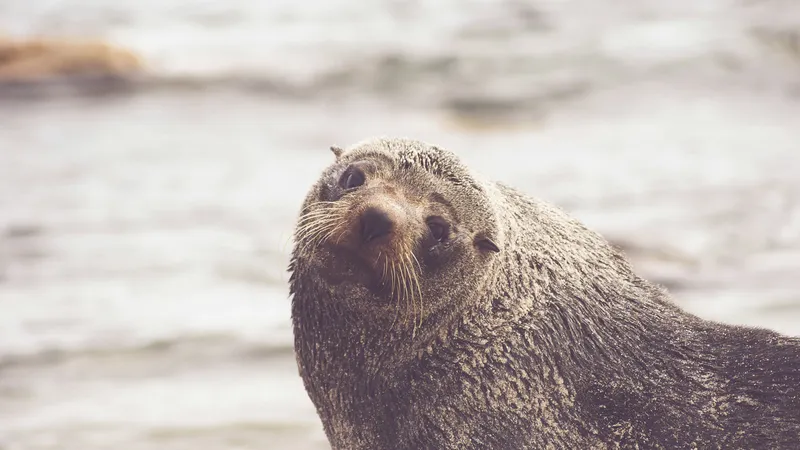
Creating a wildlife-friendly garden is a rewarding and enjoyable way to connect with nature while enhancing your outdoor space. Not only does it contribute to biodiversity, but it also allows you to enjoy the beauty of nature-inspired decor right in your backyard. In this article, we’ll explore various strategies for gardening that attract friendly creatures and promote an eco-friendly environment.
Incorporating Birdwatching into Your Nature-Inspired Garden
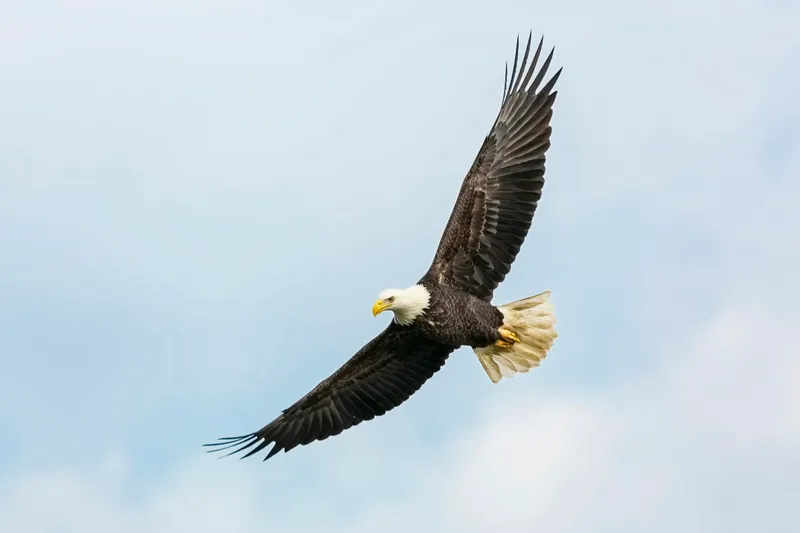
Creating a nature-inspired garden is not just about flowers and plants; it's about inviting the rich tapestry of wildlife into your space. One of the most fulfilling aspects of gardening is the opportunity it provides for birdwatching. By thoughtfully designing your garden, you can attract various bird species, making your outdoor space a sanctuary for both you and your feathered friends. Here’s how to blend gardening with eco-friendly practices to enhance your birdwatching experience.
Creating a Wildlife-Friendly Garden
Creating a wildlife -friendly garden is not just a trend; it’s a beautiful way to give back to nature while enhancing your garden decor. By incorporating elements that support local flora and fauna, you can transform your space into an oasis for various species. This article will guide you through the essentials of gardening with nature in mind, ensuring that your outdoor area is both eco-friendly and vibrant with life.
Explore these topics
- gardening(297)
- nature-inspired(155)
- eco-friendly(51)
- wildlife(17)