Embracing Nature: How to Create a Wild-Inspired Garden

Embracing Nature: How to Create a Wild-Inspired Garden
Creating a nature-inspired garden allows you to reconnect with the beauty of the outdoors, inviting wildlife and vegetation into your home. A wild-inspired garden not only enhances the aesthetics of your landscape, but it also serves as a sanctuary for various creatures, promoting biodiversity and ecological balance. In this article, we will explore how to design a garden that reflects the untamed beauty of nature while remaining functional and low-maintenance.
Understanding the Essence of a Wild-Inspired Garden
A wild-inspired garden draws on the natural beauty of bush landscapes, meadows, and forests. It is characterized by:
- Diversity of plants : A variety of native plants, shrubs, and trees that thrive in your local climate.
- Natural habitats : Creating spaces for wildlife such as birds, butterflies, and beneficial insects.
- Organic layouts : Avoiding rigid landscaping styles in favor of a more organic arrangement.
Step 1: Choose Native Plants and Vegetation
When creating your nature-inspired garden, the key is to select native plants that are well-suited to your region. These plants require less water, resist pests, and attract local wildlife.
Recommended Native Plants:
- Wildflowers : Consider planting wildflowers like black-eyed Susans, coneflowers, and bee balm. These not only add vibrant colors but also attract pollinators.
- Shrubs : Incorporate shrubs such as elderberry, serviceberry, and native viburnum to provide shelter and food for birds.
- Grasses : Opt for ornamental grasses like switchgrass or blue grama to add texture and movement to your landscape.
Step 2: Create Natural Habitats
To truly embrace nature, your garden should offer habitats for wildlife. Consider the following:
- Birdhouses and feeders : Install birdhouses or feeders to attract feathered friends. Use native plant varieties to create a food source nearby.
- Insect hotels : Build or purchase insect hotels to encourage beneficial insects such as bees and ladybugs to take up residence.
- Water features : A small pond or birdbath can provide hydration for animals and create a serene atmosphere.
Step 3: Design with an Organic Layout
Instead of traditional straight lines and geometric shapes, embrace a more organic layout that mimics nature. Here are some tips:
- Curved pathways : Use natural materials like stone or mulch to create winding pathways that invite exploration.
- Layering plants : Plant tall perennials at the back of your garden beds and shorter plants in front to create depth and interest.
- Randomized planting : Avoid uniform rows by mixing different species together, allowing for a more natural look.
Step 4: Maintain with Nature in Mind
A wild-inspired garden should be low-maintenance. Here are some eco-friendly maintenance tips:
- Mulching : Use organic mulch to retain moisture and suppress weeds while adding nutrients to the soil as it decomposes.
- Natural pest control : Encourage beneficial insects and birds to manage pests naturally, rather than relying on chemicals.
- Minimal watering : Group plants with similar watering needs together and utilize rain barrels for irrigation to conserve water.
Conclusion
Creating a wild-inspired garden is a fulfilling way to embrace nature while enhancing your home. By focusing on native vegetation , fostering wildlife , and designing with organic layouts, you can cultivate a beautiful sanctuary that thrives with life and beauty. As you embark on your gardening journey, remember to observe and adapt to your local ecosystem. Each small change can have a significant impact on the health of your garden and the wildlife that depend on it. So, grab your gardening gloves and start designing a space that reflects the wild beauty of nature!
Related articles

The Beauty of Acanthaceae: A Guide to Thriving Green Plants
When it comes to cultivating a lush garden filled with vibrant vegetation , few families of plants can rival the beauty and diversity of the Acanthaceae family. This remarkable family of flowering plants encompasses a variety of species, many of which are celebrated for their stunning foliage, striking flowers, and resilience in both indoor and outdoor environments. In this article, we will explore the wonders of Acanthaceae , how to care for these green plants , and tips for incorporating them…

Creating a Tropical Oasis: Incorporating Palm Trees into Your Garden
Transforming your outdoor space into a tropical haven can be a rewarding experience, especially when you incorporate palm trees into your garden. Known for their unique silhouettes and lush foliage, palm trees are not only visually stunning but also offer a range of benefits that can enhance your landscaping. In this article, we’ll explore how to effectively incorporate these magnificent trees into your garden, creating an ideal nature-inspired retreat that radiates tranquility.
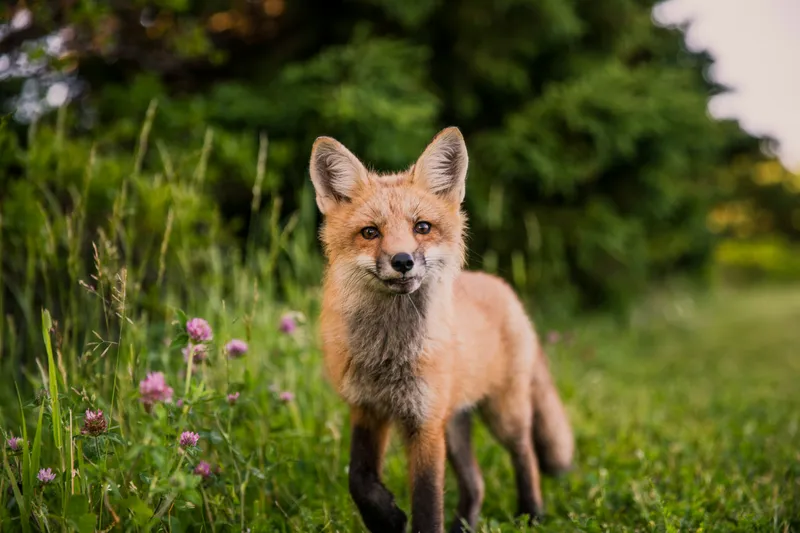
Creating a Wildlife-Friendly Garden
Creating a wildlife -friendly garden is not just a trend; it’s a beautiful way to give back to nature while enhancing your garden decor. By incorporating elements that support local flora and fauna, you can transform your space into an oasis for various species. This article will guide you through the essentials of gardening with nature in mind, ensuring that your outdoor area is both eco-friendly and vibrant with life.
Explore these topics
- gardening(297)
- nature-inspired(155)
- landscaping(67)
- vegetation(30)
- wildlife(17)