Capturing the Majesty of Whales: A Guide to Wildlife Photography
Capturing the Majesty of Whales: A Guide to Wildlife Photography
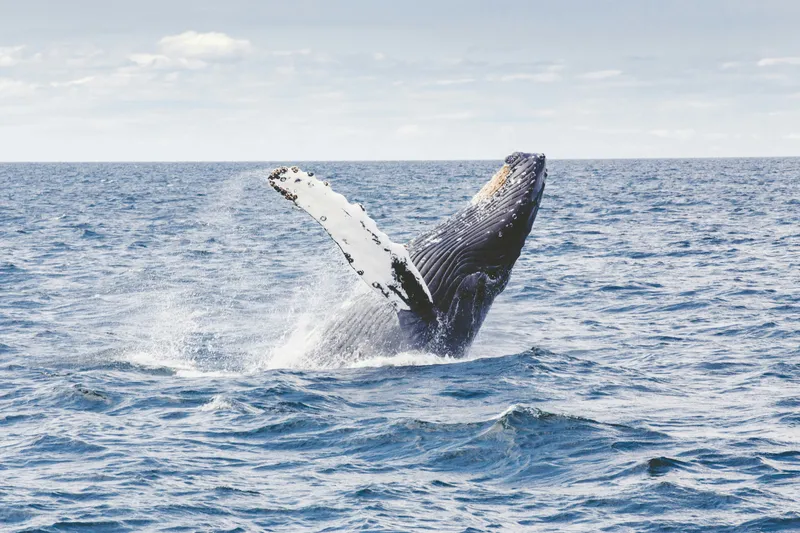
For nature enthusiasts, few experiences can match the thrill of observing whales in their natural habitat. Whale photography not only offers a unique glimpse into the lives of these majestic marine creatures but also allows photographers to capture the beauty of the ocean. In this guide, we’ll explore essential wildlife photography tips to help you take stunning images of whales while connecting with the theme of nature photography through outdoor experiences.
Understanding Whales and Their Habitats
Before diving into the technical aspects of outdoor photography , it’s crucial to understand the types of whales you’ll encounter and their behaviors. From the gentle giants of the blue whale to the acrobatics of humpbacks, each species offers different opportunities for capturing breathtaking moments. Research the migration patterns and feeding habits of these creatures to improve your chances of a successful shoot.
Choosing the Right Equipment for Whale Photography
To successfully capture the beauty of marine life, it's essential to have the right gear:
- Camera : A DSLR or mirrorless camera with a good zoom lens (at least 300mm) is recommended for close-up shots without disturbing the wildlife.
- Tripod : A sturdy tripod can help stabilize your shots, especially in a moving boat.
- Waterproof Housing : If you’re planning to shoot from a kayak or near the water, consider using a waterproof housing to protect your equipment.
Wildlife Photography Tips for Capturing Whales
- Be Patient : Whales are unpredictable. Spend time observing their behavior and wait for the perfect moment to click.
- Focus on Composition : Use the rule of thirds to enhance your images. Position the whale in one-third of the frame to create a more dynamic composition.
- Capture the Environment : Include elements like the ocean, sky, and even the boat in your frames to convey the grandeur of the scene.
- Use Continuous Shooting Mode : Whales can breach or dive in a split second. Using continuous shooting mode allows you to capture multiple frames in quick succession, increasing your chances of getting that perfect shot.
- Consider Lighting : Early mornings and late afternoons provide the best natural light for nature photography. The golden hour can add a magical quality to your images.
Respecting Marine Life and Their Habitats
When engaging in wildlife photography , always prioritize the well-being of the animals. Maintain a respectful distance, follow local guidelines, and avoid overcrowding areas where whales are present. Remember, the goal is to capture the beauty of marine life without intruding on their natural behaviors.
Post-Processing Your Whale Photography
After your adventure, the fun continues with editing your images. Use software like Adobe Lightroom or Photoshop to enhance colors, adjust exposure, and crop for better composition. Consider creating a series that tells a story about your experience with these magnificent creatures.
Nature-Inspired Decor: Bringing Whales to Your Home
Once you've captured stunning images of whales, consider using them as nature-inspired decor in your home. Print your best shots on canvas or high-quality paper and frame them to create a gallery wall that celebrates the beauty of marine life. You can also create a photo book to share your journey with friends and family. In conclusion, whale photography is a rewarding pursuit that combines adventure, patience, and a deep appreciation for nature. By applying these wildlife photography tips , you can create lasting memories and stunning images that reflect the grandeur of the ocean. So grab your gear, head out to the sea, and immerse yourself in this incredible experience!
Photography of whale
Related articles
Capturing Nature: A Guide to Outdoor Photography
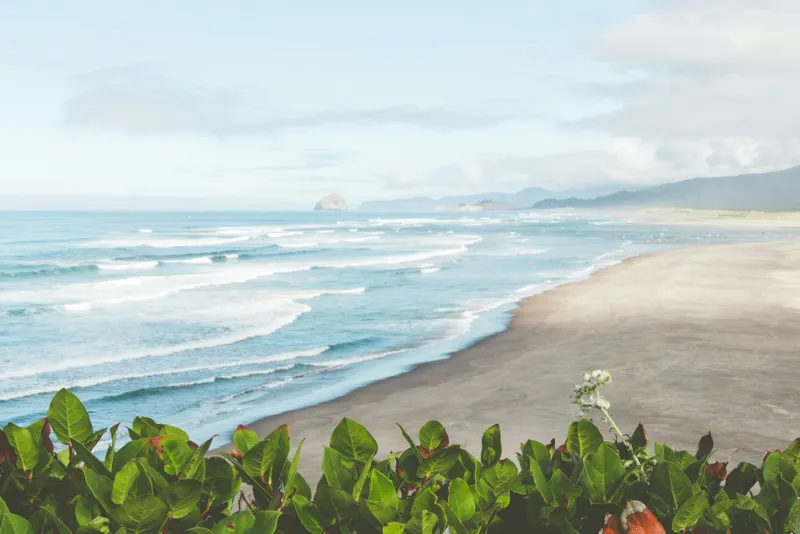
Outdoor photography is an art that allows us to capture the beauty of the natural world, from lush landscapes to the gentle seashore waves that soothe the soul. Whether you're a seasoned photographer or a beginner looking to explore the wonders of nature photography , this guide will help you hone your skills and appreciate the beauty around you.
Exploring the Beauty of Underwater Creatures: The Jellyfish
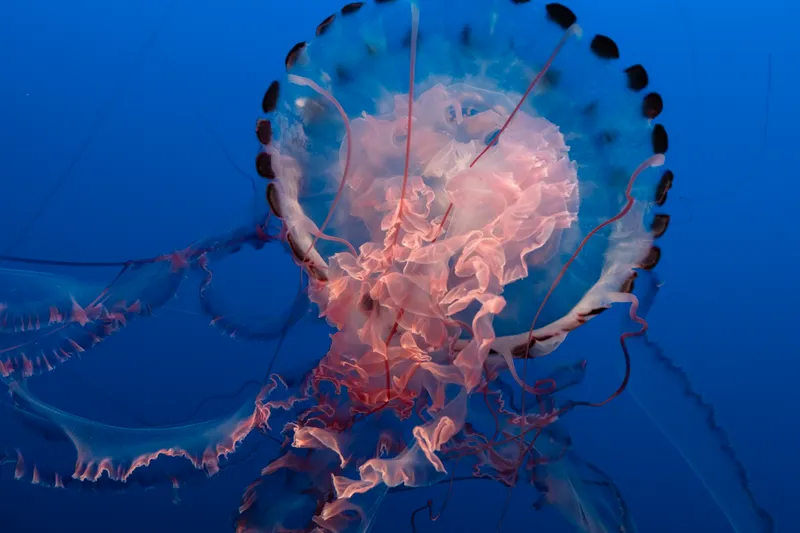
When we think of the ocean, images of vibrant coral reefs, schools of colorful fish, and the majestic dance of whales often come to mind. However, one of the ocean's most fascinating yet often overlooked inhabitants is the jellyfish. These ethereal creatures embody aquatic elegance , showcasing a captivating beauty that can inspire not just marine life enthusiasts but also those passionate about nature photography and underwater decor.

Exploring the Beauty of Desert Landscapes
The landscape beauty of desert areas has captivated photographers and nature enthusiasts alike. With its vast expanses of sand, unique rock formations, and striking plant life, the desert offers a mesmerizing backdrop for outdoor photography. But the allure of desert landscapes goes beyond just aesthetics; they inspire a deeper appreciation for eco-friendly living and nature-inspired decor.