The Art of Maintaining Sports Fields: A Guide to Grass Cutting Techniques
The Art of Maintaining Sports Fields: A Guide to Grass Cutting Techniques
Maintaining a pristine sports field is both an art and a science. Proper sports field maintenance ensures that the grass remains healthy and vibrant, providing a safe playing surface for athletes. This guide will delve into effective grass cutting techniques that not only enhance the aesthetics of your field but also contribute to its overall health.
Understanding the Importance of Sports Field Maintenance
Regular landscape care is crucial for any sports facility. Healthy grass prevents soil erosion, minimizes weed growth, and creates a professional appearance. Moreover, well-kept fields reduce the risk of injuries among players, making outdoor lawn care a top priority for sports leagues and organizations.
Choosing the Right Equipment
Before diving into grass cutting techniques , it’s essential to have the right tools. Here are a few must-have equipment for maintaining sports fields:
- Lawn Mowers : Depending on the size of your field, choose between push mowers for smaller areas and ride-on mowers for larger fields.
- String Trimmers : Perfect for edges and hard-to-reach areas, ensuring a clean finish.
- Aerators : Enhance soil health by allowing air, water, and nutrients to penetrate deeply.
- Fertilizers and Seeders : Essential for promoting healthy growth and repairing damaged areas.
Grass Cutting Techniques for Optimal Maintenance
1. Mowing Height Matters
Maintaining the correct mowing height is crucial. For most sports fields, a height of 1.5 to 2.5 inches is ideal. Mowing too short can stress the grass and lead to bare patches. Regular mowing encourages thicker growth and discourages weeds.
2. Frequency of Mowing
Mow frequently enough to ensure that no more than one-third of the grass blade is removed at any one time. This practice encourages healthy growth and minimizes stress on the grass. During peak growing seasons, fields may require mowing every 5-7 days.
3. Mowing Patterns
Varying your mowing pattern can prevent soil compaction and promote even growth. Alternate between different mowing directions (horizontal, vertical, and diagonal) to encourage a robust root system and enhance the field's appearance.
4. Sharp Blades Are Essential
Dull mower blades can tear grass rather than cut it, leading to a ragged appearance and increased vulnerability to disease. Ensure that your mower blades are sharpened regularly for a clean cut.
5. Grass Clippings Management
Leaving grass clippings on the field can provide natural fertilization, but be cautious. If you have cut too much grass at once, it’s best to collect the clippings to prevent smothering the grass underneath.
Seasonal Considerations
Different seasons call for different outdoor lawn care strategies. In spring, focus on establishing a thick turf through regular mowing and fertilization. Summer requires increased watering and potentially more frequent mowing. As fall approaches, adjust your mowing height and prepare the field for winter by aerating and overseeding.
Conclusion
Maintaining a sports field requires dedication and knowledge of effective grass cutting techniques. By understanding the importance of sports field maintenance , choosing the right equipment, and implementing proper mowing strategies, you can create a safe and visually appealing environment for athletes. Remember, the key to a great sports field lies in consistent care and attention to detail.
!
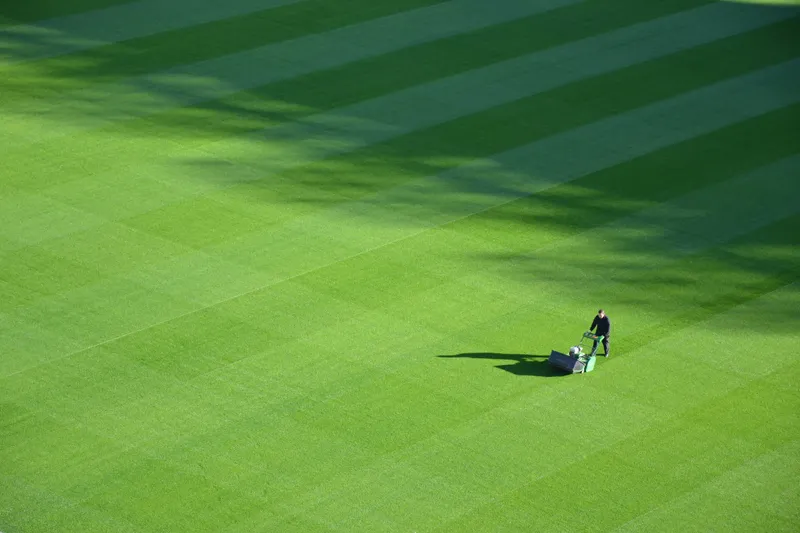
An aerial photograph of a person trimming a sports field during the day.
Related articles
The Art of Capturing Nature: Photography Tips for Gardeners
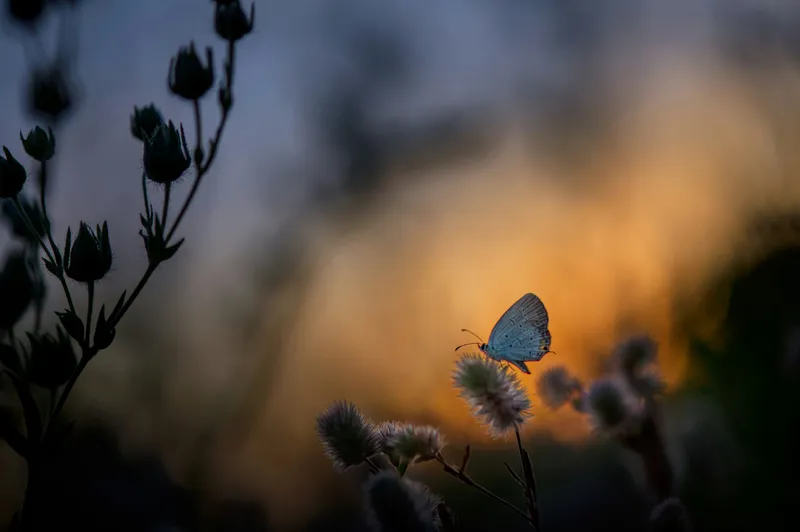
As gardeners, we cultivate our love for nature not only through planting but also by capturing its beauty through photography. Whether it's the vibrant blooms of flowers , the delicate dance of butterflies , or the intricate details of a leaf, documenting these moments adds a personal touch to our gardening journey. Here are some essential tips to elevate your garden photography skills, allowing you to beautifully showcase the wonders of your outdoor space.
The Art of Nature: Capturing Water Droplets on Grasses
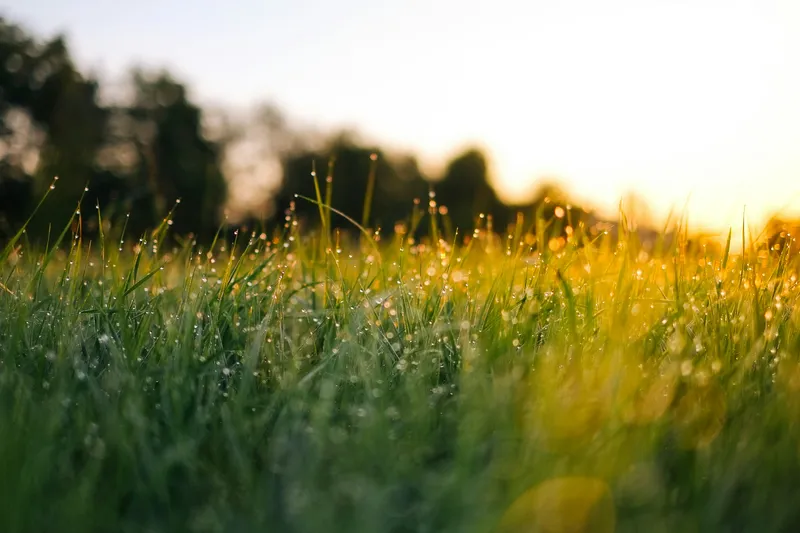
In the world of gardening , few sights are as mesmerizing as the glistening water droplets on blades of grass. This natural phenomenon not only showcases the outdoor beauty of our gardens but also serves as a stunning subject for photography. In this article, we'll explore the art of capturing these delicate droplets, and how they can inspire your nature-inspired decor.
The Artistic Appeal of Fog in Nature Photography
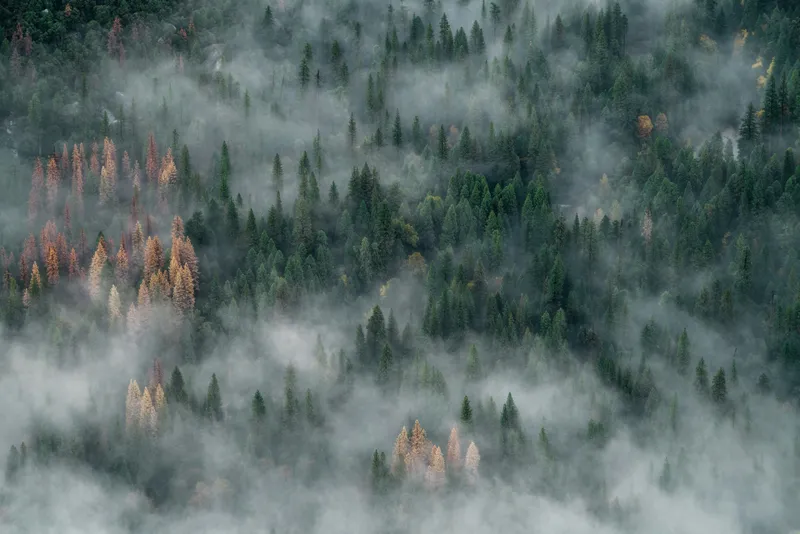
When we think of nature photography , one of the first elements that often comes to mind is the breathtaking beauty of landscapes. However, there is an enchanting twist that can elevate these scenes to an entirely new level: the presence of fog. This ethereal phenomenon adds depth, mystery, and a touch of magic to photographs, transforming ordinary views into extraordinary works of art.