Incorporating Mountain Flora into Your Garden: A Guide to Alpine Plants

Incorporating Mountain Flora into Your Garden: A Guide to Alpine Plants
Gardening enthusiasts are always on the lookout for unique ways to enhance their outdoor spaces. One of the most captivating approaches is incorporatingmountain flora into your garden. Alpine plants not only bring a touch of rugged beauty but also add a resilient character to your landscaping. In this guide, we will explore how to successfully integrate these fascinating plants into your garden and create a nature-inspired oasis.
What are Alpine Plants?
Alpine plants are species that thrive in high-altitude regions, often found on mountain slopes where conditions are harsh. They are adapted to survive extreme temperatures, strong winds, and poor soil. These plants typically have deep root systems, helping them anchor securely in rocky substrates, and many possess unique features such as vibrant blooms or striking foliage that can elevate the aesthetics of any garden.
Benefits of Incorporating Mountain Flora
- Resilience : Many alpine plants are drought-resistant and can withstand challenging weather, making them a perfect choice for low-maintenance gardening.
- Biodiversity : Introducing mountain flora can attract local wildlife, including pollinators like bees and butterflies, promoting a healthy ecosystem in your garden.
- Unique Aesthetics : The diverse colors and shapes of mountain flora can create stunning visual interest, transforming your garden into a breathtaking landscape.
Selecting the Right Alpine Plants
When choosing alpine plants for your garden, consider the following:
- Climate Suitability : Ensure the plants you select can thrive in your local climate. Research their hardiness zones and choose varieties that match your garden's conditions.
- Soil Requirements : Many alpine plants prefer well-draining soil, often with a rocky or gritty texture. You may need to amend your garden soil to replicate these conditions.
- Sun Exposure : Most mountain flora thrive in full sun, so assess the light levels in your garden to choose the right plants accordingly.
Recommended Alpine Plants
Here are some popular alpine plants to consider:
- Edelweiss (Leontopodium alpinum) : Known for its star-shaped white flowers, this iconic plant symbolizes the Alps and adds elegance to any garden.
- Alpine Aster (Aster alpinus) : With its stunning blue to purple flowers, this perennial is perfect for ground cover and thrives in rocky soils.
- Rock Jasmine (Androsace spp.) : This low-growing plant produces beautiful clusters of flowers and is ideal for crevices in rock gardens.
- Moss Campion (Silene acaulis) : A hardy cushion plant with pink or white flowers that blooms in late spring, perfect for creating a soft carpet of color.
Designing Your Alpine Garden
Creating a nature-inspired garden with mountain flora involves thoughtful design. Here are some tips to guide you:
- Layering : Use varying heights and textures by planting taller species at the back and shorter ones in the front, mimicking a natural mountain landscape.
- Rock Features : Incorporate stones and boulders to mimic the alpine environment. These features not only enhance the beauty but also provide essential drainage for the plants.
- Pathways : Create winding paths using gravel or stepping stones to guide visitors through your alpine garden. This can also help with drainage while adding an inviting touch.
Maintenance Tips
While alpine plants are generally low-maintenance, they still require some care:
- Watering : Water your plants deeply but infrequently, allowing the soil to dry out between watering sessions.
- Pruning : Remove dead or damaged foliage to encourage healthy growth and blooming.
- Fertilizing : Use a slow-release fertilizer in the spring to support growth, but avoid over-fertilization as it can lead to weak plants.
Conclusion
Incorporating mountain flora into your garden can create a stunning, nature-inspired landscape that not only stands out but also thrives in various conditions. With the right selection of alpine plants and thoughtful design, your garden can become a sanctuary of beauty and resilience, reminiscent of the majestic mountains. Start your journey today and embrace the enchanting world of alpine plants in your gardening endeavors!
Related articles
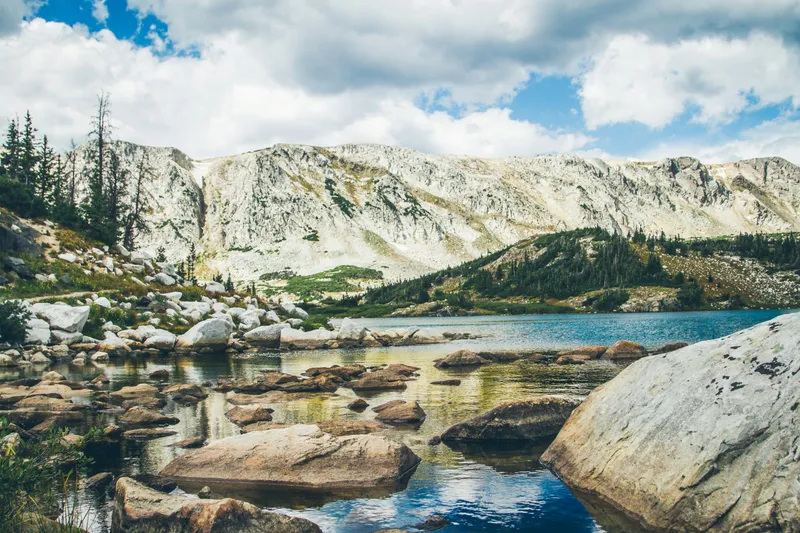
Creating a Nature-Inspired Garden: Incorporating Mountain Flora
Creating a nature-inspired garden is a beautiful way to bring the serenity and majesty of the mountains into your own backyard. By incorporating mountain flora , you can design a landscape that not only enhances your outdoor space but also promotes biodiversity and sustainability. In this article, we’ll explore some effective gardening tips for integrating the unique vegetation found in mountainous regions into your landscaping.
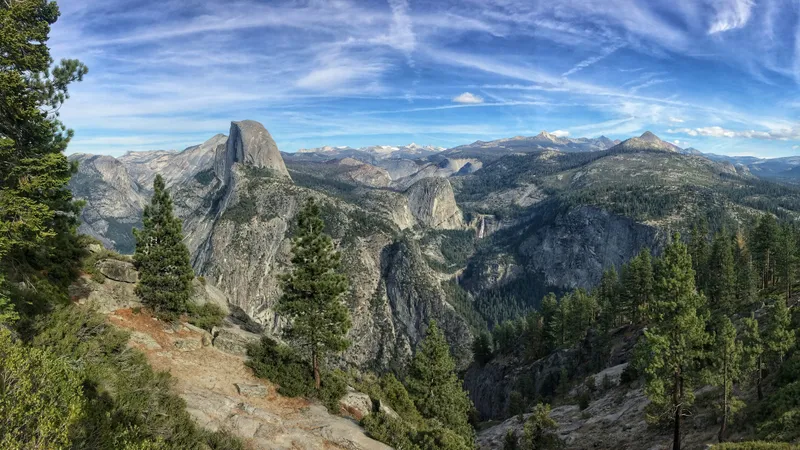
Incorporating Mountain Flora into Your Garden Design
When it comes to landscape design , few elements can evoke the serene beauty of nature quite like mountain flora. Imagine a garden that reflects the rugged charm of mountainous terrains, filled with hardy outdoor plants that thrive in cooler climates. In this article, we will explore how to seamlessly integrate mountain flora into your garden, creating a unique, nature-inspired decor that brings the essence of the mountains right to your backyard.

Incorporating Mountain Flora into Your Garden Design
Creating a garden that reflects the beauty and resilience of mountain flora can bring a unique touch to your landscape design. Whether you live near the mountains or simply appreciate their aesthetic, integrating these plants into your gardening efforts can enhance your outdoor space while promoting sustainable practices. This article will explore various aspects of landscape design , focusing on mountain flora , their care, and tips for incorporating them into your nature-inspired decor.
Explore these topics
- gardening(297)
- nature-inspired(155)
- landscaping(67)
- mountain-flora(5)