Growing Your Own Herbs: A Beginner's Guide
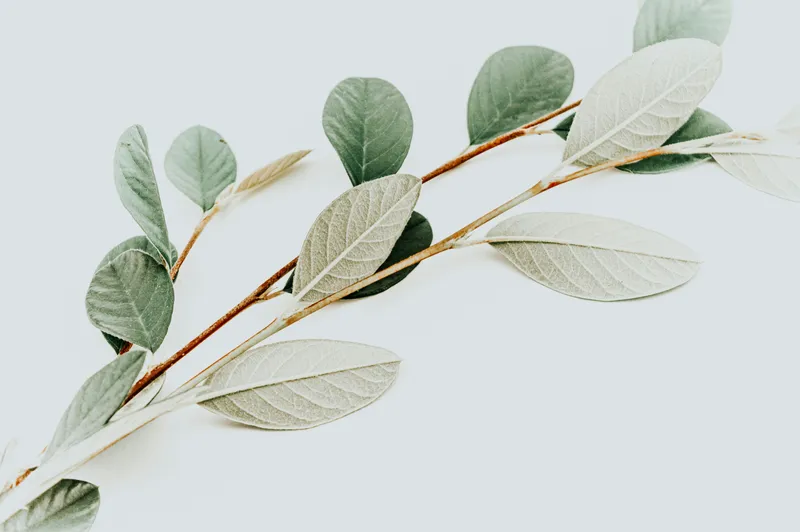
Growing Your Own Herbs: A Beginner's Guide
Are you looking to enhance your homegardening experience? Growing your own herbs is a fantastic way to start! Not only do they add flavor to your meals, but they also bring a touch of nature indoors and allow you to cultivate your green thumb. This beginner's guide will walk you through the basics of gardening your own herbs, whether you have a sprawling garden or simply a cozy windowsill for indoor plants.
Why Grow Your Own Herbs?
Growing your own herbs has numerous benefits:
- Freshness : Homegrown herbs are always fresher than store-bought, providing vibrant flavors.
- Cost-effective : It saves money in the long run, especially for herbs that are used frequently.
- Health : You can grow them organically without pesticides.
- Decorative : Herbs make beautiful additions to your home decor, providing both beauty and utility.
Choosing the Right Herbs
As a beginner, it’s essential to select herbs that are easy to grow. Here are a few great options:
- Basil : This fragrant herb is perfect for summer dishes and thrives in warm conditions.
- Mint : Very hardy and can quickly take over a garden bed, so consider growing it in a pot.
- Chives : These are low-maintenance and add a mild onion flavor to dishes.
- Parsley : A versatile herb that can be used in various cuisines, it grows well in both pots and gardens.
- Thyme : This herb is drought-resistant and perfect for those who may forget to water occasionally.
Setting Up Your Herb Garden
- Choose a Location : Herbs need plenty of sunlight, so select a spot that receives at least 6-8 hours of sunlight daily. This could be a sunny windowsill for indoor plants or a garden bed outside.
- Select Containers : If you're opting for homegardening in pots, ensure they have good drainage. Clay pots are ideal for herbs as they allow the soil to dry out between watering.
- Quality Soil : Use high-quality potting mix or garden soil that drains well. Herbs prefer slightly dry conditions, so avoid overly wet soil.
- Watering : Water your herbs regularly, but ensure the soil is allowed to dry out between watering sessions. Overwatering can lead to root rot.
Caring for Your Herbs
- Fertilization : Use a balanced fertilizer every few weeks to promote healthy growth. However, avoid over-fertilizing, as this can diminish flavor.
- Pruning : Regularly trim your herbs to encourage bushy growth and prevent flowering, which can make the leaves taste bitter.
- Pest Management : Keep an eye out for pests. Introduce beneficial insects or use organic solutions to manage any infestations.
Harvesting Your Herbs
Harvesting herbs is one of the most rewarding parts of gardening. Here’s how to do it:
- Pick leaves regularly to encourage new growth.
- Use scissors or garden shears to snip off sprigs, taking care not to remove more than one-third of the plant at a time.
- Enjoy your fresh herbs in cooking, teas, or as a garnish!
Adding Herbs to Your Decor
Not only do herbs serve culinary purposes, but they can also enhance your home’s aesthetic. Here are a few decorating tips:
- Create a Herb Wall : Hang pots of herbs on your kitchen wall for a beautiful and functional display.
- Use in Centerpieces : Place a variety of herbs in a rustic basket or a decorative bowl for a charming centerpiece.
- Herb Jars : Use glass jars to store dried herbs , labeling each jar for a chic look on your kitchen shelf.
Conclusion
Starting your own herb garden is an excellent way to dive into gardening. Whether you’re nurturing indoor plants or cultivating a garden, this rewarding hobby will enrich your culinary adventures and your home decor. So grab those pots, seeds, and a bit of soil, and enjoy the journey of growing your own herbs! ! Happy gardening!
Related articles
Creating Your Urban Jungle: Tips for Indoor Plant Care
Transforming your living space into a vibrant urban jungle is not just a trend; it’s a lifestyle choice that brings the beauty of nature indoors. With the rising popularity of indoor plants , many people are looking for ways to enhance their home decor and improve their well-being through the soothing presence of greenery. Here are some essential tips for caring for your houseplants and creating a thriving indoor garden.

Incorporating Plants into Your Living Space for a Natural Vibe
In the hustle and bustle of modern life, creating a serene sanctuary in your home is essential for your wellness and overall happiness. One of the simplest yet most effective ways to achieve this is by incorporating indoor plants into your home decor. Not only do these green companions bring beauty and life into your space, but they also play a vital role in enhancing air quality and promoting a sense of calm.

Creating a Bird-Friendly Garden: Tips and Tricks
Creating a bird-friendly garden not only enhances the beauty of your outdoor space but also provides a sanctuary for our feathered friends. Birdwatching can be a delightful and calming experience, making it beneficial for both nature enthusiasts and the birds themselves. In this article, we will explore various tips and tricks to help you design a garden that attracts a diverse range of birds, including the charming partridge.
Explore these topics
- gardening(297)
- indoor-plants(62)
- home-gardening(16)
- herbs(8)