Creating a Hedgehog-Friendly Garden: Tips and Tricks
Creating a Hedgehog-Friendly Garden: Tips and Tricks
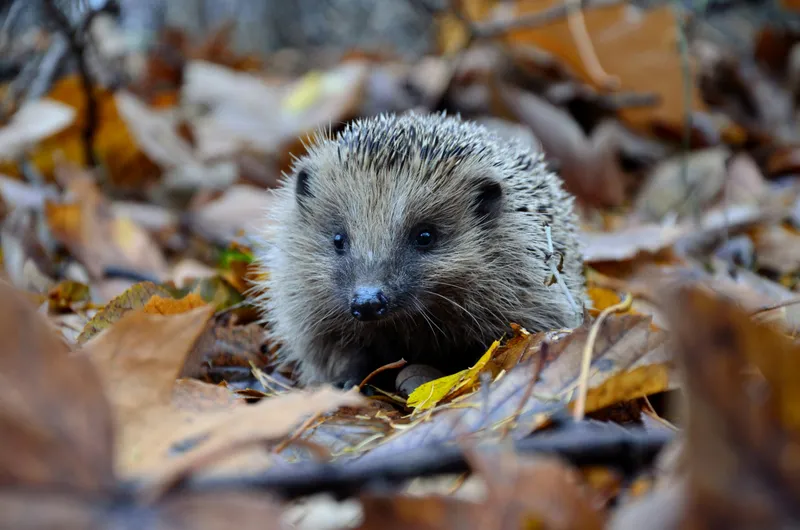
Creating a hedgehog -friendly garden is not only a delightful way to embrace wildlifegardening, but it also enhances your nature decor while promoting sustainablegardening practices. Hedgehogs are charming creatures that play a significant role in controlling pests in your garden, so attracting them is beneficial for both your plants and the environment. Here are some practical tips and tricks to help you create a haven for these spiky friends.
1. Understand the Hedgehog’s Needs
Before you dive into creating a hedgehog-friendly space, it’s essential to understand their habitat requirements. Hedgehogs thrive in areas where they can find food, shelter, and safe nesting spots. A mixture of open grassy areas, leafy undergrowth, and shrubbery will make your garden an inviting home.
2. Create a Hedgehog Habitat
To encourage hedgehogs to visit, consider adding the following features:
- Log piles : Stack up some logs in a corner of your garden to create a perfect hiding spot.
- Compost heaps : Not only do compost heaps provide excellent organic matter for your plants, but they also serve as a cozy home for hedgehogs.
- Wildflower areas : Planting native wildflowers not only supports local biodiversity but also provides hedgehogs with insects to feast upon.
3. Safe Access Points
Hedgehogs are known to roam several gardens in search of food. To ensure they can safely navigate between gardens, create access points by:
- Cutting small holes in fences (approximately 13cm x 13cm).
- Leaving gaps in your garden walls to facilitate their movement.
4. Provide Food and Water
You can supplement a hedgehog’s diet by offering food and water:
- Wet cat or dog food : Fill a shallow dish with high-quality wet pet food during evening hours, as hedgehogs are nocturnal.
- Fresh water : Always have a shallow bowl of water available, especially during dry seasons, to keep your hedgehog guests hydrated.
5. Avoid Pesticides and Chemicals
One of the fundamental principles of sustainablegardening is to minimize chemical use. Avoid pesticides and herbicides, as they can harm hedgehogs and the insects they rely on for food. Embrace natural pest control methods such as companion planting or encouraging predatory insects.
6. Seasonal Considerations
During the colder months, hedgehogs hibernate. To support them:
- Leave piles of leaves and garden debris in a corner for them to burrow into.
- Ensure any bonfires are checked for hedgehogs before lighting.
7. Promote Natural Decor
Incorporating nature decor into your garden design not only enhances its beauty but also creates a welcoming environment for wildlife:
- Use natural materials like stone and wood for paths and decorative elements.
- Incorporate hedgehog-themed decor to celebrate your garden’s new visitors!
Conclusion
Creating a hedgehog-friendly garden is an enjoyable and rewarding endeavor. By following these tips, you can cultivate a thriving habitat for hedgehogs while enhancing the biodiversity of your garden. Not only will you be contributing to wildlife conservation, but you’ll also enjoy the natural beauty that comes with a well-designed, sustainablegardening space. Encourage your local hedgehogs by implementing these strategies and witness the charming wonders of wildlife in your own backyard. Happy gardening!
Related articles
Creating a Bird-Friendly Garden: Attracting Beautiful Birds like the Blue-gray Gnatcatcher
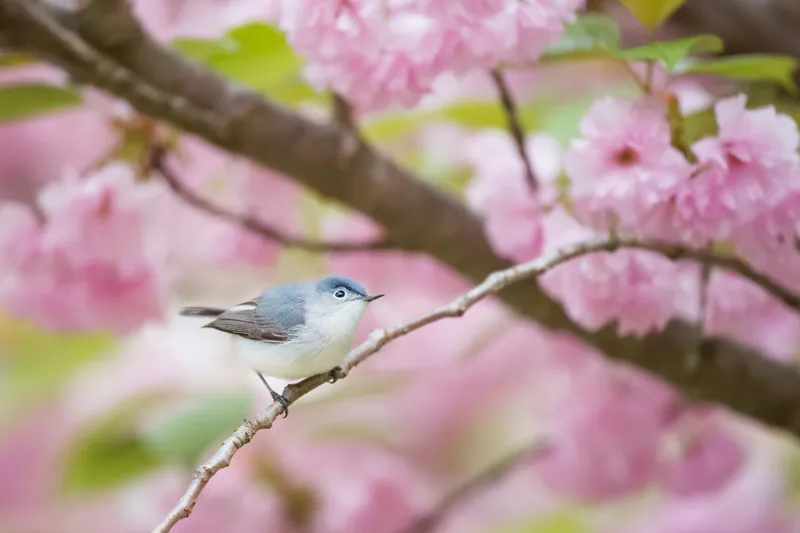
Creating a bird-friendly garden is not only a rewarding endeavor but also a way to enhance your outdoor space with the beauty of nature. Among the delightful avian visitors you can attract is the charming Blue-gray Gnatcatcher. This small bird, known for its energetic movements and striking colors, adds life to any garden. In this article, we’ll explore effective gardening tips to make your garden a welcoming haven for wildlife, focusing on the Blue-gray Gnatcatcher and other feathered friends.

Creating a Bird-Friendly Garden: Attracting Nature to Your Home
Creating a bird-friendly garden is not only a delightful way to connect with nature, but it also enhances your outdoor spaces while promoting sustainablegardening practices. Birds bring life, color, and music to our gardens, making them a vital part of our ecosystem. Here’s how you can transform your garden into a wildlife-friendly sanctuary that attracts our feathered friends.

Cultivating Green: The Benefits of Growing Conifer Saplings
In the world of gardening , few things bring as much joy as nurturing your own plants and watching them flourish. One of the most rewarding endeavors in this realm is the cultivation of conifer saplings. These evergreen wonders not only add beauty to your landscape but also offer a multitude of benefits that align perfectly with the principles of sustainablegardening.
Explore these topics
- gardening(297)
- nature-decor(225)
- sustainable-gardening(13)
- wildlife-gardening(3)